Foundation installation
For new homes, room additions, or full foundation replacements that require a complete engineered design and city-permitted installation.
Learn more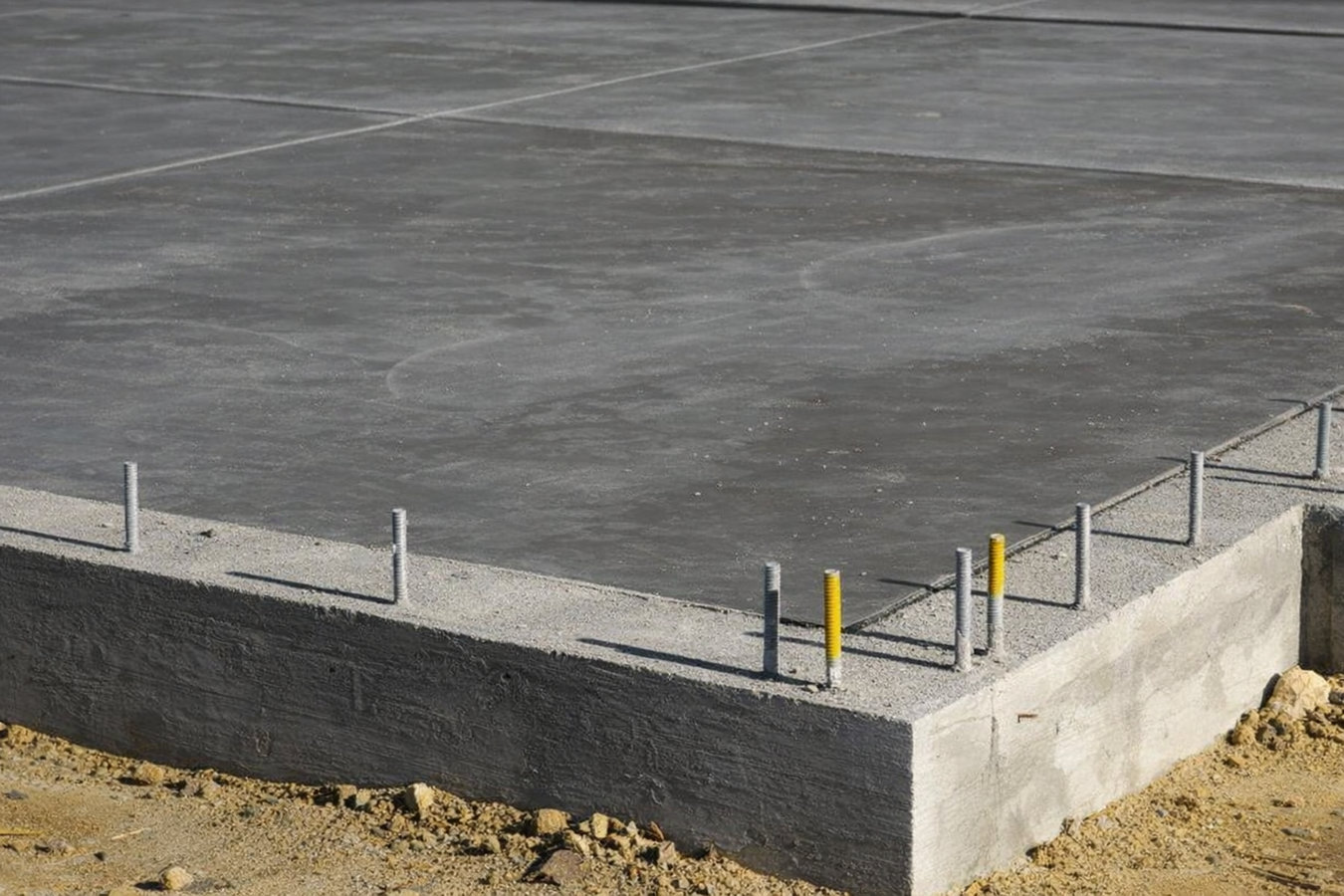
Building on Livermore clay soil requires more than a standard pour. We engineer every slab for local soil conditions, seismic requirements, and permit approval - so your structure stays level and solid.
Slab foundation building in Livermore means excavating and leveling the ground, compacting a gravel base, laying a moisture barrier, placing steel reinforcement, and pouring a single thick concrete slab that acts as both the floor and the structural base of your building - most residential projects take one to two weeks of active work, with a full timeline of four to six weeks once permits are included.
In Livermore, slab foundations are the most common choice for new homes, garages, and accessory dwelling units. The relatively flat terrain and dry climate make them practical - but the clay-heavy soil beneath much of the Tri-Valley means the design needs to account for seasonal ground movement. A slab poured without the right base prep and reinforcement for local conditions will crack within a few years, no matter how clean it looks the day the truck pulls away.
Homeowners building new steps as part of a larger project often pair their slab work with concrete steps construction so the entry connects to the slab correctly from day one, rather than being added as an afterthought months later.
The most straightforward reason is a new project - a home, ADU, detached garage, or large addition that needs a foundation from scratch. If you are starting from bare ground, a slab foundation is the first conversation you will have with any contractor or architect in Livermore.
Hairline cracks in concrete are common and usually harmless. But cracks wider than about a quarter inch, or cracks that run in long diagonal lines across a room, indicate the slab has moved or settled in a way that may require replacement rather than patching. In Livermore, this kind of cracking is often connected to clay soil expanding and contracting through wet winters and dry summers.
When a slab foundation moves unevenly, the walls and door frames above it shift too. If doors that used to swing freely now drag on the floor, or gaps are appearing between the wall and ceiling in one part of the house, the foundation below may be moving. This is worth a professional assessment before the problem gets worse.
Livermore has seen a significant increase in ADU construction, and many homeowners discover that their existing garage slab is not thick enough or reinforced adequately to support a living space. If a contractor tells you the existing slab needs to be replaced or supplemented for your conversion project, that is a legitimate and common finding in this area.
We build slab foundations for new homes, detached garages, ADUs, room additions, and commercial outbuildings throughout the Livermore area. Every project starts with a soil evaluation - not a guess - because the clay-heavy ground beneath much of the Tri-Valley requires footings and reinforcement that a standard slab design would skip. We handle the full scope: excavation, gravel base, moisture barrier, rebar or wire mesh placement, the pour itself, and curing management during Livermore's hot summers.
Many clients building a new structure also schedule foundation installation when the scope involves a full engineered design, raised perimeter walls, or work on an older property where the existing foundation is being replaced rather than built new - having the same crew handle both the slab and any perimeter work avoids coordination gaps and keeps the project on one permit.
For new homes, manufactured home pads, or large room additions where the foundation is built from the ground up.
For accessory dwelling units and garage-to-living-space conversions where the existing slab is inadequate or absent.
For lots in Livermore's Tri-Valley where expansive clay requires extra rebar, deeper footings, or a thickened-edge design.
For properties near active fault zones where California code requires specific steel placement and anchor bolt patterns.
For summer projects where early-morning scheduling and curing compounds prevent the plastic shrinkage cracking common in Livermore's heat.
For living spaces and finished areas where an underslab vapor barrier is required to prevent moisture from migrating through the floor.
Most of Livermore sits on expansive clay soils that swell with winter rain and shrink back during the dry summer months. That seasonal movement is one of the most common causes of slab cracking in the Tri-Valley - not poor concrete, but ground that shifts underneath it. The newer subdivisions in Livermore - particularly in the Springtown and Sunset West areas that were built on graded and filled lots - add another layer of complexity, because fill depth and compaction can vary significantly beneath the surface. A contractor who does not verify what is actually in the ground before designing your slab is taking a shortcut that tends to show up as cracks within the first few years.
Livermore also sits near several active fault systems in the East Bay, and California requires foundations in this seismic zone to include specific steel reinforcement and footing depths. The city's permit and inspection process exists specifically to verify this work before the concrete covers it up. We serve homeowners throughout the Tri-Valley, including Pleasanton where the same soil conditions and permit requirements apply. Livermore summers also regularly push past 95 degrees, and we schedule pours for early morning and use curing methods that prevent the surface from drying too fast before the concrete has fully hardened inside.
The California Geological Survey maintains seismic hazard zone maps for the Tri-Valley area, including the fault systems and soil conditions that affect foundation design in Livermore.
We respond within 1 business day. We will ask about your project - new construction, ADU, garage, or replacement - and schedule a free on-site visit before giving you any numbers. Quotes given without seeing the lot are not reliable.
We assess your soil conditions, check access for the concrete truck, and discuss the type of slab that makes sense for your project. You receive a written quote that covers excavation, base prep, reinforcement, the pour, and curing - no hidden items.
We submit the permit application to the City of Livermore on your behalf. Approval typically takes one to three weeks. We flag your start date once the permit is in hand and schedule pours away from Livermore's peak summer heat when possible.
Site prep and steel placement take one to three days. The pour follows once the city inspector has signed off on the reinforcement. The slab needs at least seven days before framing or heavy use, and we do a final walkthrough with you before the project is closed out.
We respond within 1 business day - no obligation, no pressure. After you submit, someone from our office will call to schedule a free on-site visit at a time that works for you.
(925) 409-3317We have poured slabs on lots across Livermore - from the older in-fill lots near downtown to the newer subdivisions in Springtown and north Livermore. Understanding how soil conditions, fill depth, and lot grading vary across neighborhoods means your foundation gets designed for your specific ground, not a generic template.
We never skip the soil assessment. Livermore's clay soils and the variation in fill depth across newer subdivisions require a look at what is actually under the surface before a slab is designed. That evaluation is what determines footing depth, reinforcement layout, and base prep requirements - and it is built into every project we quote.
We manage the City of Livermore permit process from application through the final inspection, and we include permit fees in your written quote upfront. You never have to visit the building department or wonder if the paperwork was submitted. The city inspector's sign-off is your documented proof the work meets code.
Our contractor's license is verifiable on the California Contractors State License Board website at cslb.ca.gov. We carry liability and workers' compensation coverage on every project, which protects you from any exposure during construction. A slab foundation is too large an investment to hire someone who cannot verify both.
A slab foundation is the single most important concrete decision you will make on a new construction project. We are happy to walk you through what proper base preparation, reinforcement, and curing look like on your specific lot before you decide whether to move forward.
For new homes, room additions, or full foundation replacements that require a complete engineered design and city-permitted installation.
Learn moreIndividual concrete footings that support posts, columns, or perimeter walls as part of a larger construction project.
Learn morePermit slots fill up quickly in Livermore - call now or submit a request online and we will visit your lot for a written, no-obligation quote.