Foundation raising
For older Livermore homes where the existing foundation has settled and needs to be lifted before new footings can properly support what is built above.
Learn more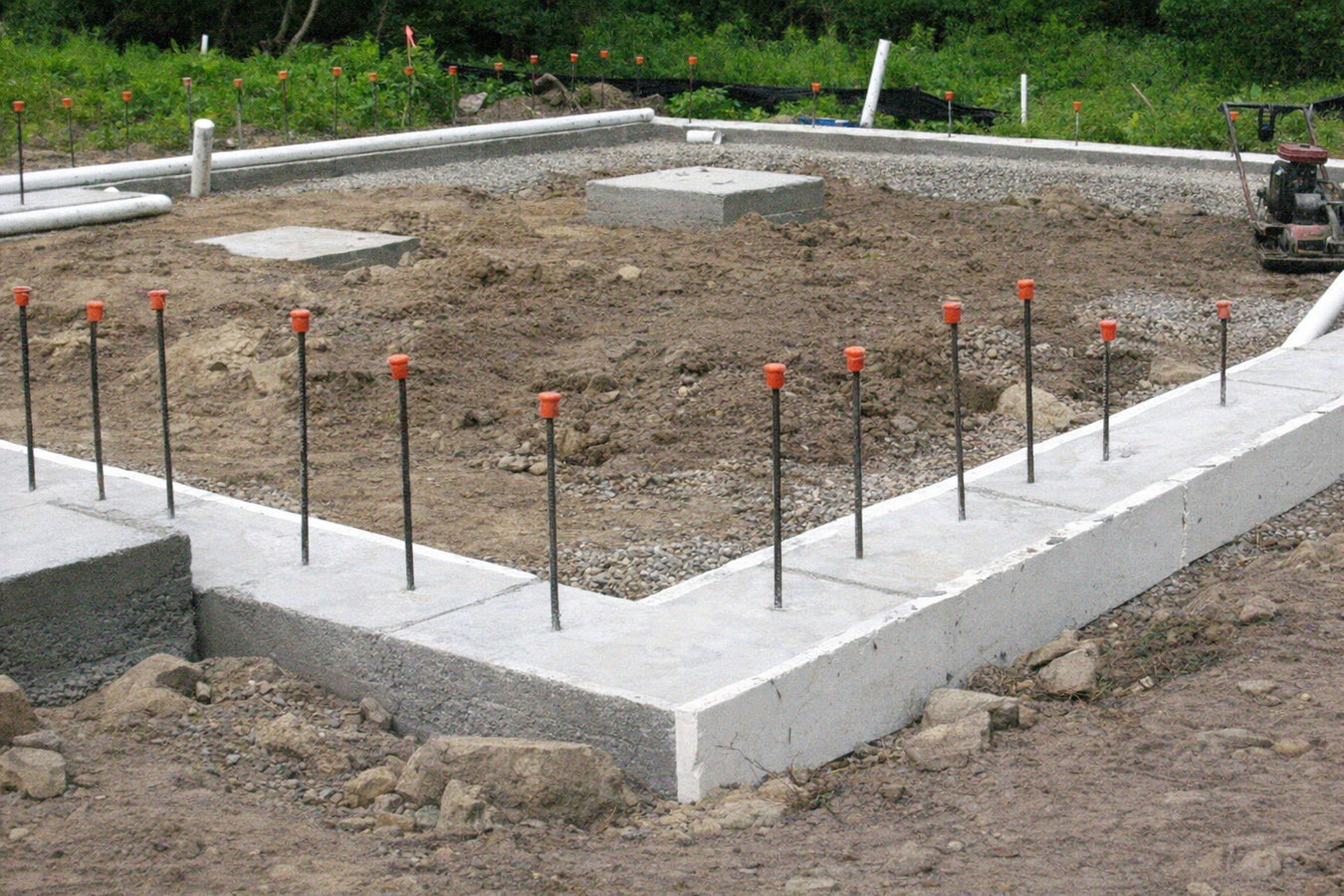
A deck, addition, or pergola is only as good as what holds it up. We install concrete footings in Livermore designed for local clay soils and seismic requirements - so the structure above stays level and does not shift with the seasons.
Concrete footings in Livermore means digging holes or trenches to the depth required by the city permit and local soil conditions, placing steel reinforcement, passing a required city inspection before any concrete is poured, and then completing the pour and curing - most residential projects take two to four weeks from first call to finished footings once the permit process is factored in, with the physical digging and pouring typically done in one to two days.
In Livermore, footings matter more than in many parts of California. The clay soil under most properties here expands when wet and contracts when dry, and that seasonal movement is the main reason decks pull away from houses, posts lean over time, and structures on older lots gradually shift out of level. A footing dug to the right depth and sized for the actual soil conditions locks the structure above it in place - the ground moves, but the footing does not.
Homeowners building larger structures often combine footing work with foundation installation when the scope requires a full perimeter foundation rather than individual post footings - working with the same contractor for both keeps the permit scope, inspection schedule, and grade plan unified from the start.
If you can see a gap opening up between your deck and the exterior wall of your home, or if the deck surface has started to slope noticeably, the footings underneath may be shifting. In Livermore, this often happens after several wet winters followed by dry summers, as the clay soil expands and contracts beneath the posts. This is worth having looked at sooner rather than later - a shifting deck can become a safety issue, not just a cosmetic one.
When a footing settles unevenly, the structure above it moves - and the first place you usually notice it is in doors or windows that suddenly stop closing right, or in diagonal cracks appearing at the corners of door and window frames. If this is happening in a part of your home that was added on at some point, the footing under that addition may be the cause. A structural assessment is the right next step.
Older structures in Livermore's established neighborhoods were sometimes built with posts sitting directly on the ground or on a thin slab that was not designed as a true footing. If you can see wood posts in contact with soil, or a concrete pad that looks cracked and sunken, the support system may no longer be doing its job. This is especially common in detached garages and older deck structures built before current code requirements were in place.
Any new structure that attaches to your home or carries significant weight needs proper footings before anything else is built. In Livermore, this includes backyard decks, covered patios, detached garages, and accessory dwelling units. Starting construction without permitted and inspected footings can create problems when you sell the home or file an insurance claim - unpermitted structural work is a common issue in home sale transactions.
We install footings for decks, pergolas, room additions, ADUs, detached garages, and fences throughout the Livermore area. Every project starts with a site assessment - not an estimate from photos - because depth requirements, soil conditions, and permit specifics vary enough across Livermore lots that a price based on assumptions is a price that will change. We handle the full process from permit application through the required city pre-pour inspection and final sign-off, including calling 811 to locate underground utilities before any digging begins.
Some property owners combine footing work with foundation raising when the structure above has already settled and needs to be brought back to level before new footings are poured - addressing the settling and the footings as a single project is more efficient than correcting them separately.
For new or replacement decks where post footings need to be dug, permitted, inspected, and poured to current city standards.
For homeowners adding square footage to their home where new perimeter or point footings are required as part of the addition permit.
For accessory dwelling units, detached garages, and converted spaces where a new structural footing is required under city code.
For covered outdoor structures that need anchored footings rather than surface-mounted hardware to meet permit requirements.
For fencing on clay-heavy lots where standard post-hole depth is not sufficient to prevent leaning and heave after a wet winter.
For older Livermore structures where the existing footing has failed or was never built to current seismic and soil standards.
Livermore's soil is one of the biggest reasons footing work here is more involved than in many other parts of California. The clay-heavy ground under most of the Tri-Valley swells during wet winters and shrinks back in the long dry summers - that seasonal movement is the underlying cause behind most of the deck pullback, leaning posts, and cracked additions that homeowners in this area deal with over time. Footings that were dug to the minimum depth or set in clay that was never removed simply move with the soil. Homeowners in Livermore whose homes were built in the 1960s or 1970s often have older decks or additions sitting on footings that predate today's standards - and when those structures start showing signs of movement, the footing is almost always the first thing to check.
The seismic environment adds a second layer of complexity. Livermore sits near both the Greenville and Calaveras fault systems, and California's building code requires footings in this area to include specific steel reinforcement to handle ground movement during an earthquake. The city's required pre-pour inspection exists specifically to verify this steel placement before it is buried - and a contractor who is not familiar with Livermore's seismic requirements may set the steel incorrectly and not know it. We also regularly work in Pleasanton where the same clay soil conditions and seismic zone considerations apply, and where the same city inspection process governs footing work.
The University of California Cooperative Extension has published soil research on Alameda County clay conditions that explains the expansion and contraction behavior that shapes footing depth requirements in the Livermore area.
We respond within 1 business day. We will ask what you are building, roughly where on your property it will go, and schedule a free on-site visit before providing any numbers. Footing estimates given without a site visit are not reliable - depth, soil, and permit requirements vary too much across Livermore lots.
We assess the project location, soil conditions, and any existing structures nearby. You receive a written estimate covering excavation, steel, the pour, and permit fees - with no items added after you sign. We also confirm the correct footing depth and size before submitting anything to the city.
We submit the permit application to the City of Livermore and call 811 to have underground utilities marked before any digging begins - this is required by law and protects your property. Once the permit is approved, the crew digs to the required depth and places steel reinforcement per the approved plan.
A city inspector verifies the excavation depth and steel placement before concrete is poured. Once approved, the pour happens the same day or the next. The concrete needs about a week to cure before framing or post installation begins. We handle the final permit sign-off and walk you through the finished footings before closing out the project.
We respond within 1 business day - no obligation, no pressure. After you submit, someone from our office will call to set up a free site visit at a time that works for you.
(925) 409-3317We have installed footings at Livermore properties ranging from older homes near downtown with aging deck footings that had never been properly permitted, to new ADU builds in east Livermore subdivisions where the fill soil required deeper excavation than standard specs allow. Knowing how ground conditions vary across different parts of the city is what allows us to dig the right depth the first time.
Livermore's expansive clay soil and proximity to active fault lines are the two factors that most influence footing design here - and both require local knowledge, not national averages. We design depth and steel placement for the actual conditions beneath your lot, not for a generic Bay Area site. This is the difference between a footing that holds for 50 years and one that starts moving within the first decade.
In Livermore, the city inspector must approve the excavation and steel before concrete is poured. Contractors who are unfamiliar with local requirements sometimes set steel incorrectly and discover it during the inspection - which delays the project. We know exactly what Livermore inspectors check, and we get it right before calling for the inspection, keeping your project on schedule.
Our contractor's license is publicly verifiable at cslb.ca.gov, where you can confirm our license status, bonding, and complaint history in about two minutes. We also carry liability and workers' compensation insurance on every project. For work that goes underground and is not visible after completion, documented credentials and verifiable licensing are not optional.
The footing is the part of any structure you will never see again once it is poured - which is exactly why it matters most to get it right the first time. We are happy to walk through what your specific project requires in Livermore before you commit to anything.
For older Livermore homes where the existing foundation has settled and needs to be lifted before new footings can properly support what is built above.
Learn moreFor new construction projects where full perimeter foundation installation is required, building on the same permit-driven process as individual footing work.
Learn morePermit slots fill up fast - call now or submit a request and we will visit your property for a written, no-obligation estimate before summer heat or your project deadline hits.