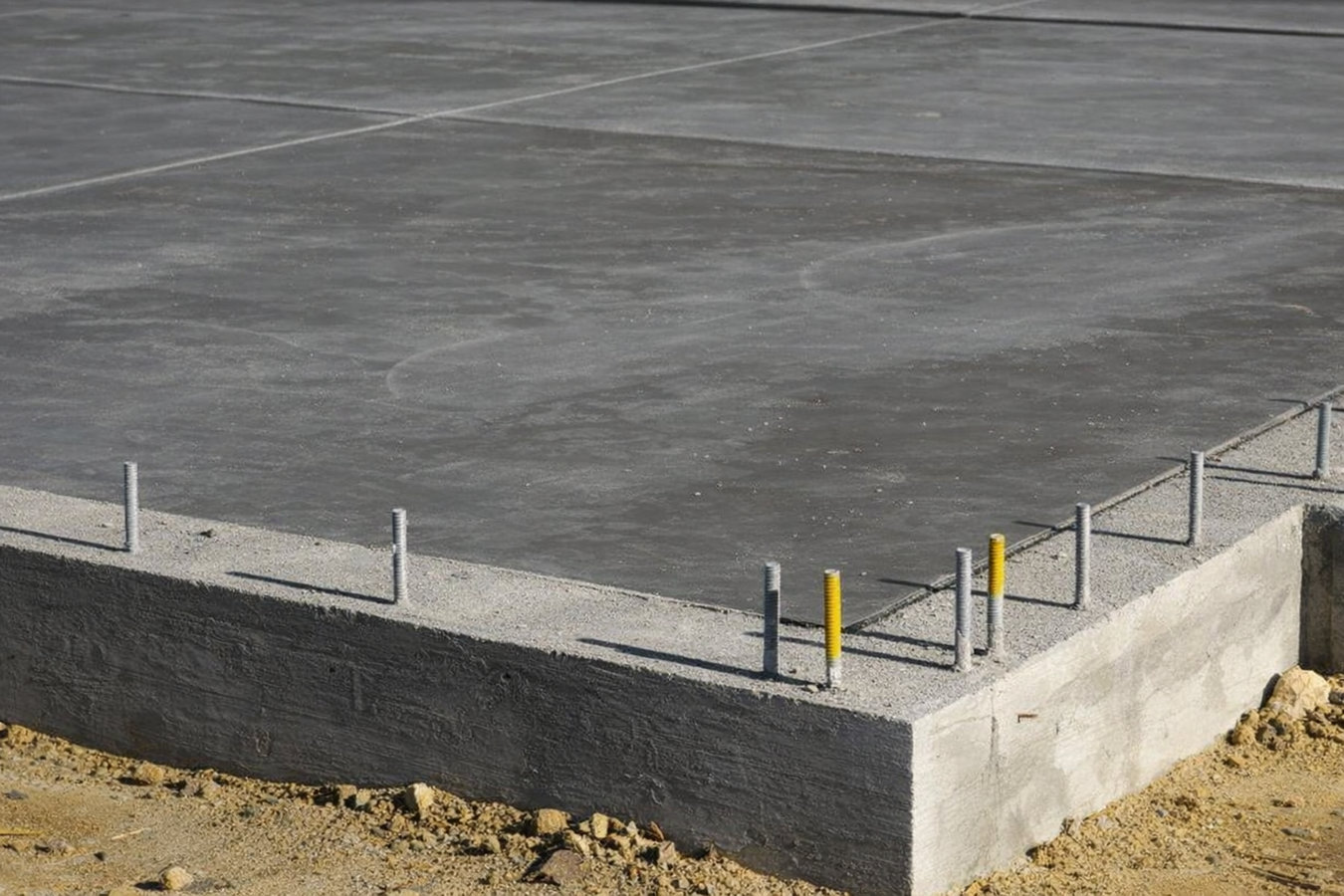
Slab foundation building
Antioch is one of the fastest-growing cities in Contra Costa County, and homeowners here regularly add ADUs, detached garages, and accessory structures that need properly engineered foundations on expansive clay soil. Our slab foundation building service covers base preparation, reinforcement placement, forming, and the pour itself - all sized to handle the soil movement that is part of every Antioch project.
Concrete driveway building
A large share of Antioch homes were built in the 1980s and 1990s, which means original driveways are now 25 to 40 years old and showing the effects of clay soil expansion, summer heat, and vehicle wear. Many east Antioch driveways installed during the building boom off Lone Tree Way and Deer Valley Road are now entering the replacement phase.
Concrete patio construction
Antioch summers are genuinely hot - triple-digit days in July and August are common. Homeowners with a good backyard patio use it from spring through fall for outdoor cooking, shade structures, and family gatherings. Patios installed on clay soil without proper drainage slope tend to heave and crack within a decade, which is why base prep matters here.
Concrete sidewalk building
Older neighborhoods near downtown Antioch and along Highway 4 have sidewalk sections that have heaved from clay soil movement and, in some areas, tree roots from established street trees. Property owners in California are typically responsible for the sidewalk fronting their lot, and a damaged section can attract a city notice requiring repair.
Concrete retaining walls
Properties near Contra Loma Regional Park and in the hillier sections of north Antioch often have sloped or terraced yards that rely on retaining walls to hold back soil. On Antioch clay soils, wet-season hydrostatic pressure behind a wall that lacks proper drainage can cause it to lean or crack within a few years of original installation.
Concrete footings
Deck additions, pergolas, fence posts, and outbuildings in Antioch need footings that extend below the active soil zone to avoid movement. Footings poured too shallow on Antioch clay will heave with the soil every winter, pushing attached structures out of plumb and creating safety issues that need correction after every wet season.